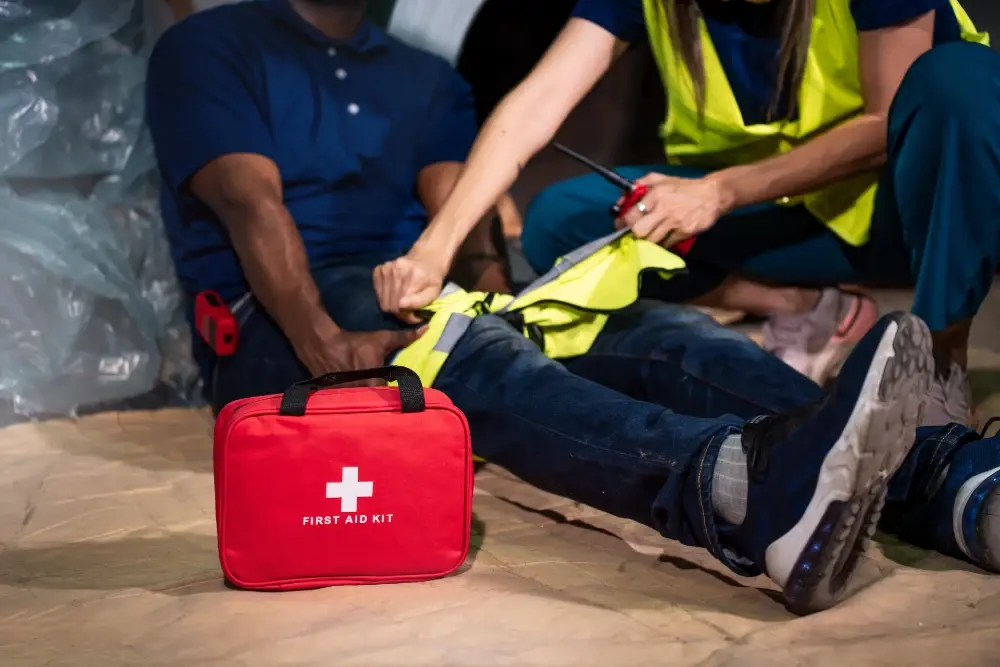
Recent figures show a concerning increase in workplace injuries across the UK, reinforcing the importance of health and safety at work, and the responsibilities employers have to protect their staff.
Figures released by the Health and Safety Executive (HSE) show that workplace injury incidents recorded in the year to March 2025 rose significantly compared to the previous year. While the HSE has noted that the latest figures sit close to the long-term average, the impact on individuals, families and businesses remains substantial.
The most common causes of workplace injuries
According to the HSE, everyday hazards continue to account for the majority of workplace accidents. Slips, trips and falls make up around 30 per cent of reported incidents, while handling, lifting or carrying injuries account for a further 17 per cent.
These types of accidents can occur in almost any working environment – from offices and warehouses to construction sites, care settings and retail premises. Many personal injury claims arise where hazards were known but not properly managed.
Case study
A Coles Miller client suffered a workplace injury after slipping on an unmarked hazard during their working day. The Personal Injury team helped them secure compensation to cover lost earnings and rehabilitation costs.
The wider impact of workplace injuries
The estimated cost of workplace injuries and work-related ill health now stands at £22.9 billion. However, the real impact is often felt at an individual and organisational level.
Employees may experience extended periods away from work, financial pressure and long-term health problems. For employers, workplace injuries can result in operational disruption, higher insurance premiums and potential legal action.
Did you know?
What may initially seem like a minor workplace accident can later develop into a long-term injury or illness. Early legal advice can make a significant difference to the outcome of a claim.
When should employees contact a personal injury solicitor?
-
If you have been injured at work, or developed an illness linked to your working conditions, it may be appropriate to seek legal advice where:
-
The injury was caused by unsafe working practices or inadequate training
-
You slipped, tripped or fell due to hazards that were not properly managed
-
You were injured while lifting or handling items without appropriate instruction or support
-
Your employer failed to meet their duty of care under health and safety legislation.
Seeking advice does not mean blaming colleagues. Claims focus on whether employers have met their legal obligations to provide a safe working environment.
Case study
Our Personal Injury team supported an employee who developed a work-related injury after repeated manual handling tasks without adequate training. The claim resulted in compensation for pain, suffering and future loss of earnings.
How Coles Miller can help injured employees
Our Personal Injury team has extensive experience supporting individuals who have suffered injuries or illness as a result of their work.
The team offers clear, practical advice from the outset, helping clients understand whether they may have a claim and what evidence is needed. This includes reviewing accident circumstances, medical records and employer responsibilities.
Where a claim is appropriate, we manage the process on your behalf - liaising with insurers, obtaining expert medical evidence and working to secure compensation that reflects immediate injuries as well as long-term impact, loss of earnings and future care needs.
Duty of care
Most employers are required by law to have at least £5 million of cover in case their workers suffer an injury (or disease) arising from their employment. This cover is a legal requirement under the Employers’ Liability (Compulsory Insurance) Act 1969.
Your employer can be fined up to £2,500 for any day that they are without suitable insurance. Failing to display a certificate of insurance or failing to make it available to Health & Safety Executive when required can result in a £1,000 fine.
It would be the insurer who would pay the compensation if you were to take legal action against your employer for an accident at work or for injuries caused by an industrial disease.
If you have been injured at work, you may have little choice but to claim. You will need compensation to fund your treatment, care and rehabilitation.
Next steps
If you are an employee who has been injured at work, early advice can make a real difference.
Coles Miller provides practical, supportive guidance to help individuals understand their position and move forward with confidence.
To discuss your situation, contact Coles Miller Solicitors’ Personal Injury team for confidential advice.


.webp)